The psychological mechanisms and behavioral determinants of academic integrity in the age of artificial intelligence


Yazarlar (1)
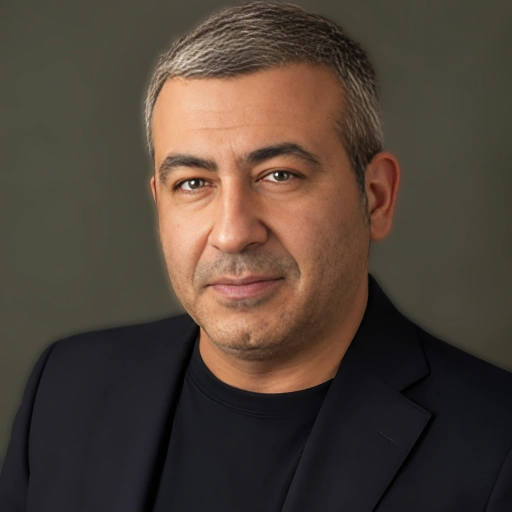
Doç. Dr. Adem YILMAZ Kastamonu Üniversitesi, Türkiye
| Makale Türü |
 Özgün Makale
(SSCI, AHCI, SCI, SCI-Exp dergilerinde yayınlanan tam makale)
Özgün Makale
(SSCI, AHCI, SCI, SCI-Exp dergilerinde yayınlanan tam makale)
|
||
| Dergi Adı | Frontiers in Psychology (Q1) | ||
| Dergi ISSN | 1664-1078 Dergi Bilgileri (2026) | ||
| Dergi Tarandığı Indeksler | SSCI | ||
| Makale Dili | İngilizce | Basım Tarihi | 06-2026 |
| Cilt / Sayı / Sayfa | 17 / 1 / 1–21 | DOI | 10.3389/fpsyg.2026.1853790 |
| Makale Linki | https://doi.org/10.3389/fpsyg.2026.1853790 | ||
| UAK Araştırma Alanları |
Eğitim Bilimleri
|
||
| Özet |
| Objective This study aimed to examine the psychological and behavioral determinants of AI-assisted academic dishonesty among university students through an integrated model. Specifically, the study investigated whether academic procrastination, learned helplessness, and academic self-efficacy predict cheating tendency; whether cheating tendency predicts AI-assisted academic dishonesty; whether AI use moderates the relationship between cheating tendency and academic dishonesty; and whether social and contextual factors significantly predict AI-assisted academic dishonesty. Methods The study employed a quantitative, cross-sectional, correlational survey design. A total of 1,045 undergraduate students from different academic disciplines participated voluntarily in the study. Data were collected using seven measurement instruments and a personal information form. Descriptive statistics, Pearson correlation analyses, multiple regression analyses, and Hayes' PROCESS Model 14 were used to test the proposed moderated mediation model. Bootstrap resampling with 5,000 samples was applied to estimate indirect effects and 95% confidence intervals. Results The findings showed that academic procrastination and learned helplessness positively predicted cheating tendency, whereas academic self-efficacy negatively predicted it. Cheating tendency significantly predicted AI-assisted academic dishonesty, and the interaction term indicated that the association between cheating tendency and AI-assisted academic dishonesty was stronger at higher levels of AI use. Conditional indirect effect analyses further demonstrated that cheating … |
| Anahtar Kelimeler |
| academic dishonesty | academic procrastination | academic self-efficacy | artificial intelligence use | cheating tendency | learned helplessness |

BM Sürdürülebilir Kalkınma Amaçları

| Atıf Sayıları | |
| Web of Science | 1 |
| Scopus | 1 |
| Google Scholar | 1 |